 brinexorandria.site

Skill
Why three-minute games train reflexes better than hour-long ones
Short runs mean full attention, instant feedback and a clean retry - the exact loop that builds reaction speed.
Short, honest posts on games, skill and the engineering of tiny arcade machines. New entries when there is something worth saying.


Skill is built by complete feedback loops, and a three-minute run gives you dozens per week. Hour-long games give you a handful. The math decides the winner before taste gets a vote.
Our baseline protocol measured it: daily three-minute sessions outperformed weekend marathon play on every metric we track - reaction time, consistency, retention.
FIG.B1 - THE DENSITY ARGUMENT, ILLUSTRATED

Three posts, three different lenses on the same question: how do small games make you better?
Short runs mean full attention, instant feedback and a clean retry - the exact loop that builds reaction speed.
Star Dodger gets players into the zone in under two minutes. Here is the design trick, and how to use it on a hard day.
No engine, no framework, no build step. Paddle physics, fair collisions, and why we redrew the bricks four times.
We spent a week tuning Star Dodger's rock spawn logic so threats arrive in readable, survivable patterns. This post dissects the algorithm - and shows why "random" is the enemy of skill.
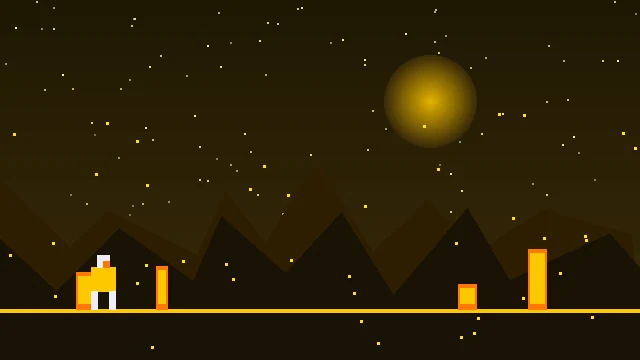
FIG.B2 - THE GEOMETRY OF A PERFECT DODGE
Every review starts with the same question - what will you walk away with? If the honest answer is "not much", the review says so, whatever the marketing said.
FIG.B3 - THE REVIEW DESK
You will like it here if you want to:
The fastest way to enjoy this blog is to play the game a post is about first. Three minutes well spent.
Play, then readPRESS START TO CONTINUE